Loading...
Hike & GearBest Raincoats for Hiking
Sia B.

Nov 21, 2026
Best Raincoats for Hiking: Top 5 Jackets You Won't Regret on a Rainy Day
Hike & Gear8 minutes read
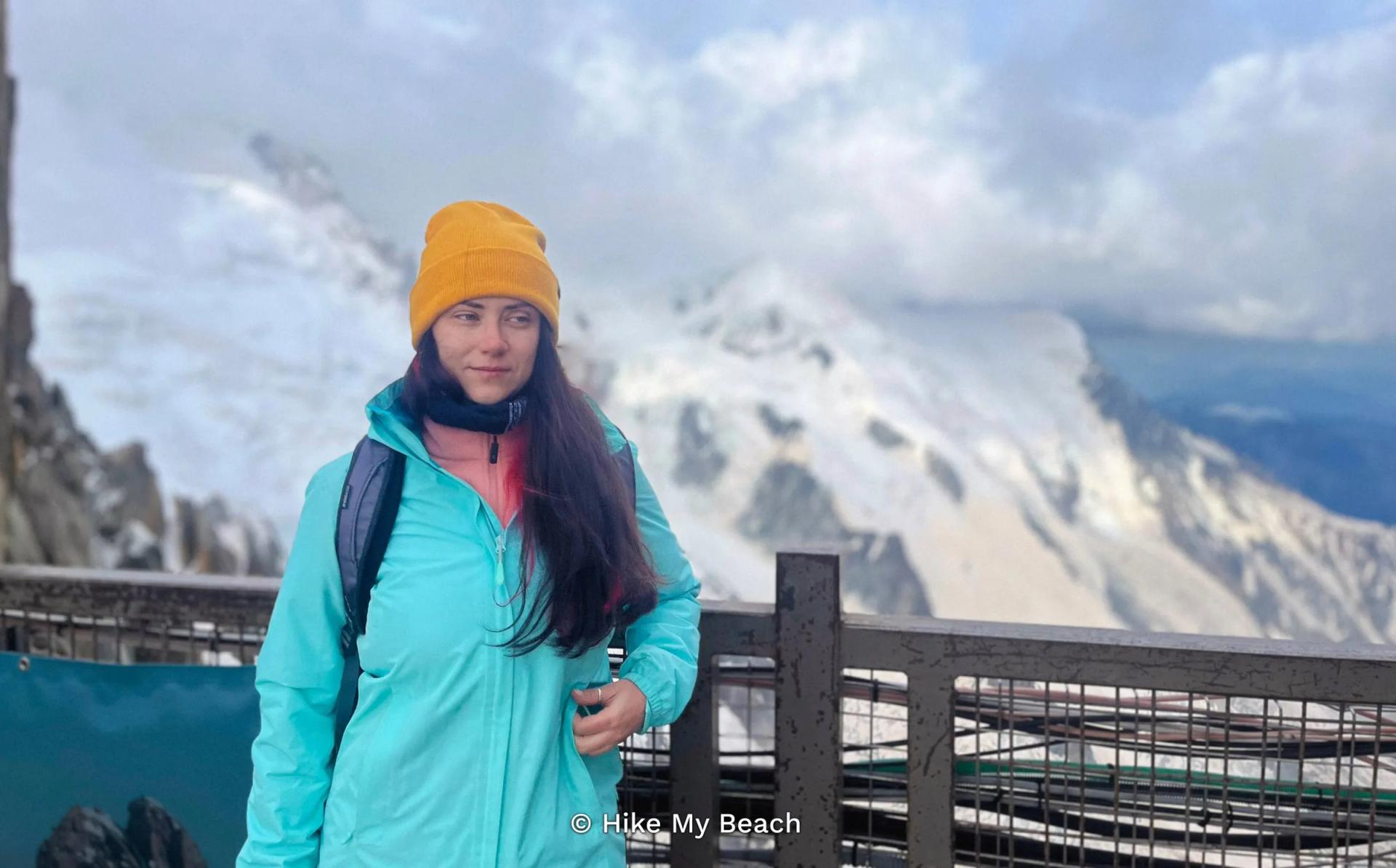


Every hiker has a story about the jacket that promised to be waterproof. It kept the rain out for exactly twenty minutes, then started collecting it from the inside. A cheap shell can turn a great trail into a long, soggy walk, and a bad one can leave you cold, which is a lot worse than just getting annoyed.
The right raincoat for hiking has to match the kind of rain you hike in, how hard you work on the climbs, and how much weight you want in your backpack.
We have been caught in all kinds of weather, including nine straight days of rain while traveling in Madeira, so we know how fast the wrong jacket gives up.
In this guide, we compare five of the best raincoats for hiking in 2026, with a hiking raincoat for men and hiking raincoats for women in every pick, plus a lightweight option and a beginner pick. For each one, you get the weight, the build, and who it suits. You'll also find out how to choose the jacket that fits your trails, not just the one with the loudest marketing.
The best raincoats for hiking in 2026: top 5 models that keep you dry
Heavy rain caught me a few times while hiking the Tour du Mont Blanc. I was wearing a very basic Jack Wolfskin outdoor jacket, rated around 7,000 mm, so I got pretty much wet in just fifteen minutes. After that experience, which I don’t want to repeat, I researched which jackets hikers consider the best raincoat for hiking and found that their choices often come down to five popular options.
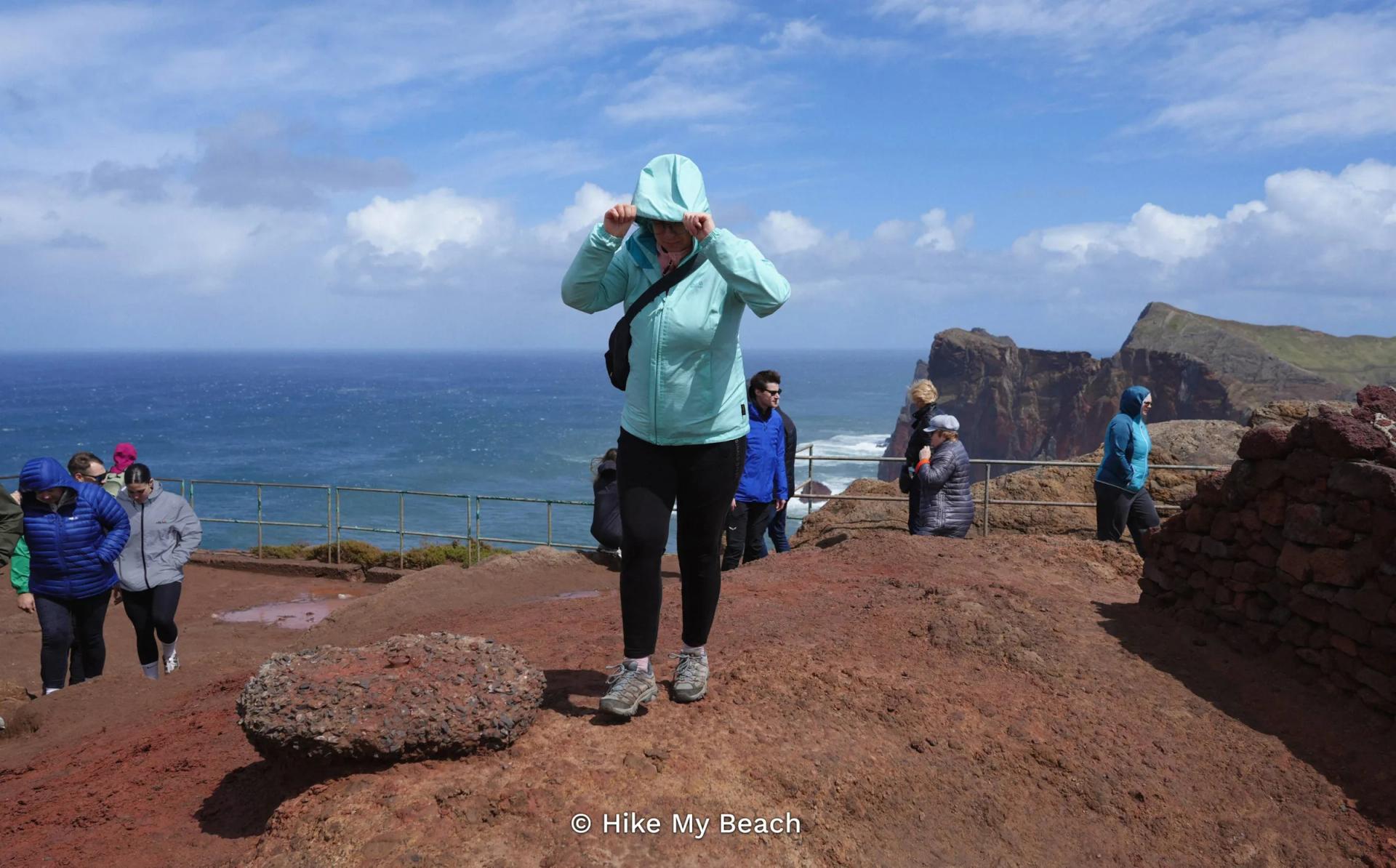
After that experience, which I don’t want to repeat, I researched which raincoats hikers consider best and found that their choices often come down to five popular options.
1. Patagonia Torrentshell 3L
If you want one raincoat for hiking that does most things well, start here. The Torrentshell is a three-layer shell with Patagonia's H2No waterproof membrane, rated around 20,000 mm, which is enough for sustained rain. It has pit zips for venting, an adjustable hood, a hem drawcord, and two zippered hand pockets. The jacket packs into one of its own pockets.
It is not the lightest option. As a hiking raincoat for men, it weighs 14.1 oz (about 400 g), and the women's version weighs 12.4 oz (about 350 g). It runs warm on steep, sweaty climbs. In return, you get a soft tricot backer that feels comfortable against the skin, plus a durable build. It costs about $189, which is fair for something you will keep for a long time.
- Best for: all-round hiking and backpacking
- Weight: 350–400 g (12.4–14.1 oz)
- Build: 3-layer H2No membrane, pit zips
- Waterproof rating: 20,000 mm
2. Rab Downpour Plus 2.0
The Downpour Plus 2.0 is the one we would point a beginner to. It is a 2.5-layer shell with a Pertex Shield membrane rated at 20,000 mm, which is double what the usual budget jackets offer. It has pit zips, a stowable, helmet-compatible hood, zippered hand pockets, and a hem drawcord. It also comes at a friendly price.
It weighs about 375 g for men and 330 g for women, so it is lighter than the Torrentshell. The trade-off is that a 2.5-layer shell can feel sweaty when you zip it up in hard rain, and the water-repellent coating needs re-treating more often than on some jackets. For day hikes, travel, and wet weekends, it is a safe first buy.
- Best for: day hikes, travel, and a first hiking raincoat
- Weight: 330–375 g (11.6–13.2 oz)
- Build: 2.5-layer Pertex Shield membrane, pit zips
- Waterproof rating: 20,000 mm
3. Outdoor Research Foray 3L
The Foray 3L is built for hiking hard in rain that does not quit. It is a three-layer shell with an AscentShell Dry membrane rated at 20,000 mm, plus pit zips and side vents that open from hem to bicep. One tester found no jacket as breathable as the Foray and its women's twin, the Aspire 3L, so it suits people who sweat under a loaded pack.
It weighs 15.3 oz (about 434 g) for men and 13.9 oz (about 394 g) for women, so it is heavier than the Torrentshell and far heavier than the Versalite. It also costs about $260, well above the budget end. For long, humid days in the rain, you get what you pay for.
- Best for: heavy rain and backpacking with a loaded pack
- Weight: 394–434 g (13.9–15.3 oz)
- Build: 3-layer AscentShell Dry membrane, pit zips
- Waterproof rating: 20,000 mm
4. Montbell Versalite
When every gram counts, the Versalite is the one. The men's version weighs about 5.9 oz (around 166 g), and the women's about 5.7 oz (around 163 g), and it packs down to roughly the size of an apple. Still, it has a three-layer shell with a PFAS-free DRYTEC membrane rated above 20,000 mm, plus large pit zips that work well for the weight. That makes it the best lightweight raincoat for hiking on this list, especially for long days, thru-hikes, and summer trips where you carry the jacket more than you wear it.
The fabric is pretty thin, so be careful around branches and rough rock. Sizing runs small, so check the size chart. And a jacket this light is less protective in a long storm than a heavier shell, with moisture reaching the wrists and chin sooner. It costs about $285.
- Best for: lightweight packing and long days
- Weight: 163–166 g (5.7–5.9 oz)
- Build: 3-layer DRYTEC membrane, large pit zips
- Waterproof rating: over 20,000 mm
5. Arc'teryx Beta SL
The Beta SL uses a three-layer GORE-TEX ePE membrane rated around 28,000 mm, with the highest waterproof rating of the five. Testers describe it as very waterproof even after days of rain. The hood stays put in heavy wind, and you also get large pit zips, high pockets that clear a hip belt, an internal chest pocket, and a RECCO reflector.
It weighs 12 oz (about 340 g) for men and 10.6 oz (about 300 g) for women, and it is not among the most packable shells here. At $500, the price is hard to justify for a few rainy weekends a year.
The women's cut is slim, so broader chests or hips may want to size up, and the hood can fall over your eyes when you hike without a helmet. If you hike year-round in wet country, though, it is the jacket most likely to make you forget the rain.
- Best for: year-round hiking in wet climates
- Weight: 300–340 g (10.6–12 oz)
- Build: 3-layer GORE-TEX ePE membrane, pit zips
- Waterproof rating: 28,000 mm
Find your fit: comparing the top hiking raincoats
All five jackets have a waterproof rating of at least 20,000 mm, so none of them will leave you as wet as my old 7,000 mm jacket did.
Patagonia Torrentshell 3L | Rab Downpour Plus 2.0 | Outdoor Research Foray 3L | Montbell Versalite | Arc'teryx Beta SL | |
Weight, women's–men's | 350–400 g (12.4–14.1 oz) | 330–375 g (11.6–13.2 oz) | 394–434 g (13.9–15.3 oz) | 163–166 g (5.7–5.9 oz) | 300–340 g (10.6–12 oz) |
Construction | 3-layer | 2.5-layer | 3-layer | 3-layer | 3-layer |
Waterproof rating (mm) | 20,000 | 20,000 | 20,000 | 20,000+ | 28,000 |
Pit zips | Yes | Yes | Yes | Yes | Yes |
Packability | Good | Good | Medium | Excellent | Medium |
Best for | All-round hiking | Beginners and day hikes | Heavy rain and loaded packs | Ultralight trips | Wet climates, year-round |
The real differences are weight, packability, and how much you want to spend. If you carry the jacket more than you wear it, go for the Versalite. If you hike in rain for days at a time, the Beta SL offers the most protection.
How to choose a raincoat for hiking: 5 simple tips
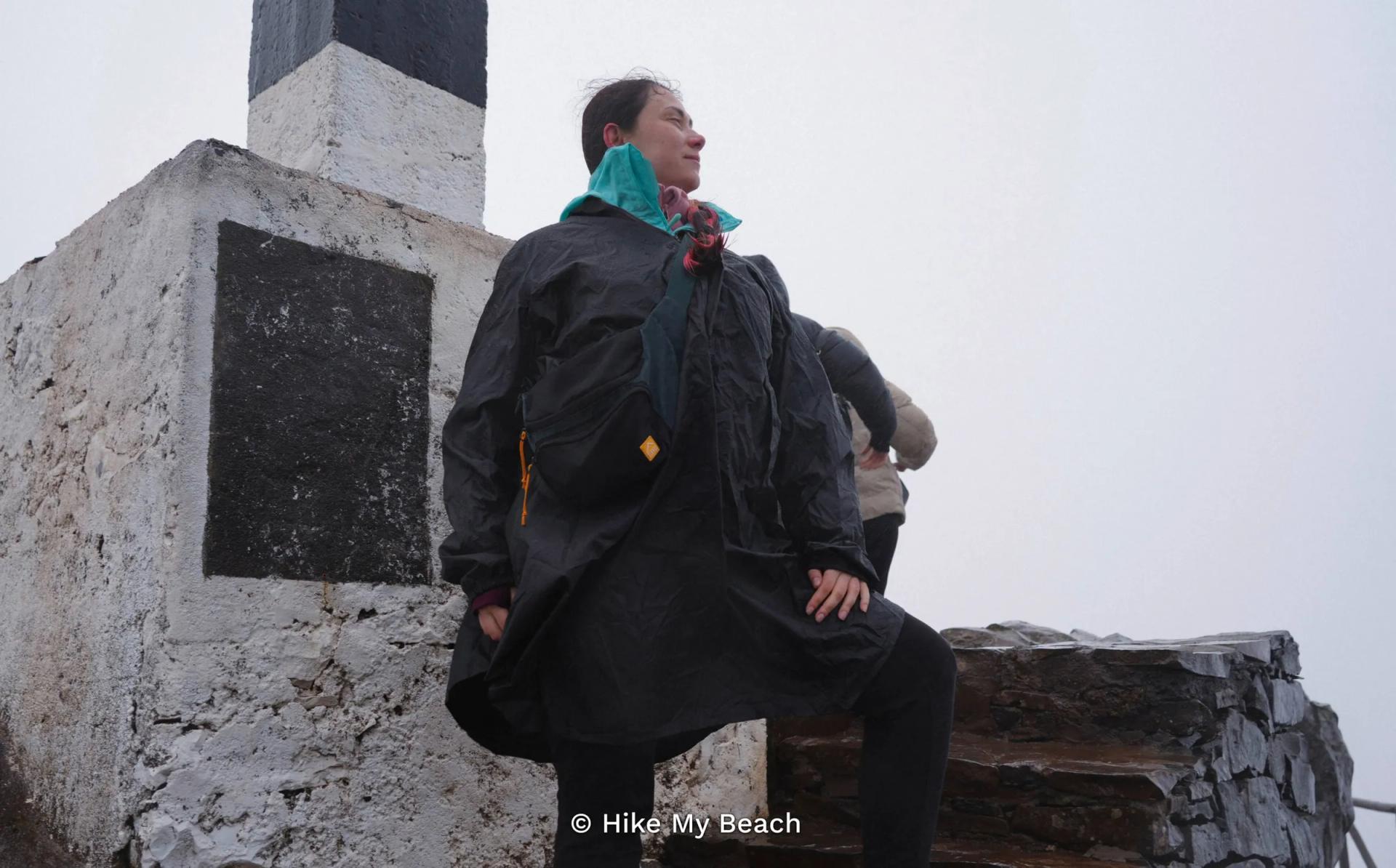
Picking hiking gear isn't easy, since you need to consider many factors. For a raincoat, these are waterproofing level, breathability, weight, and fit. And don't judge a jacket by the number alone. Seam taping, a good hood, and a snug cuff do as much to keep you dry as the membrane.
1. Match the waterproofing level
A waterproof rating in millimeters tells you how much water pressure the fabric can take. Around 10,000 mm handles light rain like the kind on coastal hikes along the sea.
For long, wet days, look for 20,000 mm or more, like the Torrentshell, Versalite, and Beta SL.
The build matters too. A 2.5-layer jacket like the Rainier is lighter and cheaper but wears faster, while a three-layer jacket lasts longer and feels less clammy in a long storm.
2. Breathability decides how you feel
Plenty of jackets that feel like they leak are really just trapping sweat. Waterproof fabric still traps some of it when you climb, so the best raincoats for hiking come with pit zips you can open while you walk. On a steep trail, vents often matter more than any breathability claim on the label.
3. Consider the weight
A 400 g jacket is fine for a day hike, but on a multi-day trip every gram adds up. Compare the weight in grams and ounces before you buy. If weight is your top priority, the Versalite is the best lightweight raincoat for hiking.
4. Try it on with your layers
Try the jacket on over the layers you plan to wear, for example, a fleece or a light puffy. Raise your arms, reach forward, and see whether the hem lifts. If you hike with a pack, buckle the hip belt and make sure you can still reach the pockets. Sizing varies a lot between brands.
5. Look at the hood and cuffs
A hood you can cinch down with one hand, cuffs that close, and a hem drawcord stop wind-driven rain from sneaking in. A hood that stows away suits longer hikes, because rain comes and goes over a long day, and a stowed hood stays out of your way when it is dry.
Final thoughts: what are the best raincoats for hiking?
The best raincoat for hiking is the one you will actually carry and wear. For most people, that is the Patagonia Torrentshell 3L, which balances weight, comfort, and durability. The Rab Downpour Plus 2.0 is a great first jacket, the Outdoor Research Foray 3L handles long, wet days under a loaded pack, and the Montbell Versalite is the pick when weight matters most. If you want the most protective shell, the Arc'teryx Beta SL has the highest waterproof rating of the five.
All five come in women's cuts, so they are also the best hiking raincoats for women, as long as you check the size chart. Whichever you choose, check the waterproof rating first.
Don't chase the most popular or the most expensive jacket. Pick the one that fits your trails, your pace, and the weather forecast where you’re planning to hike.
Frequently asked questions
get news & updates
get news & updates
Subscribe to our newsletter for inspiration, advice, updates, and news. Don’t worry – we won’t bother you too often.