Loading...
Destinations3 Days in Madrid
Sia B.

Oct 29, 2026
3 Days in Madrid: The Perfect Itinerary for a Short Trip
Destinations11 minutes read
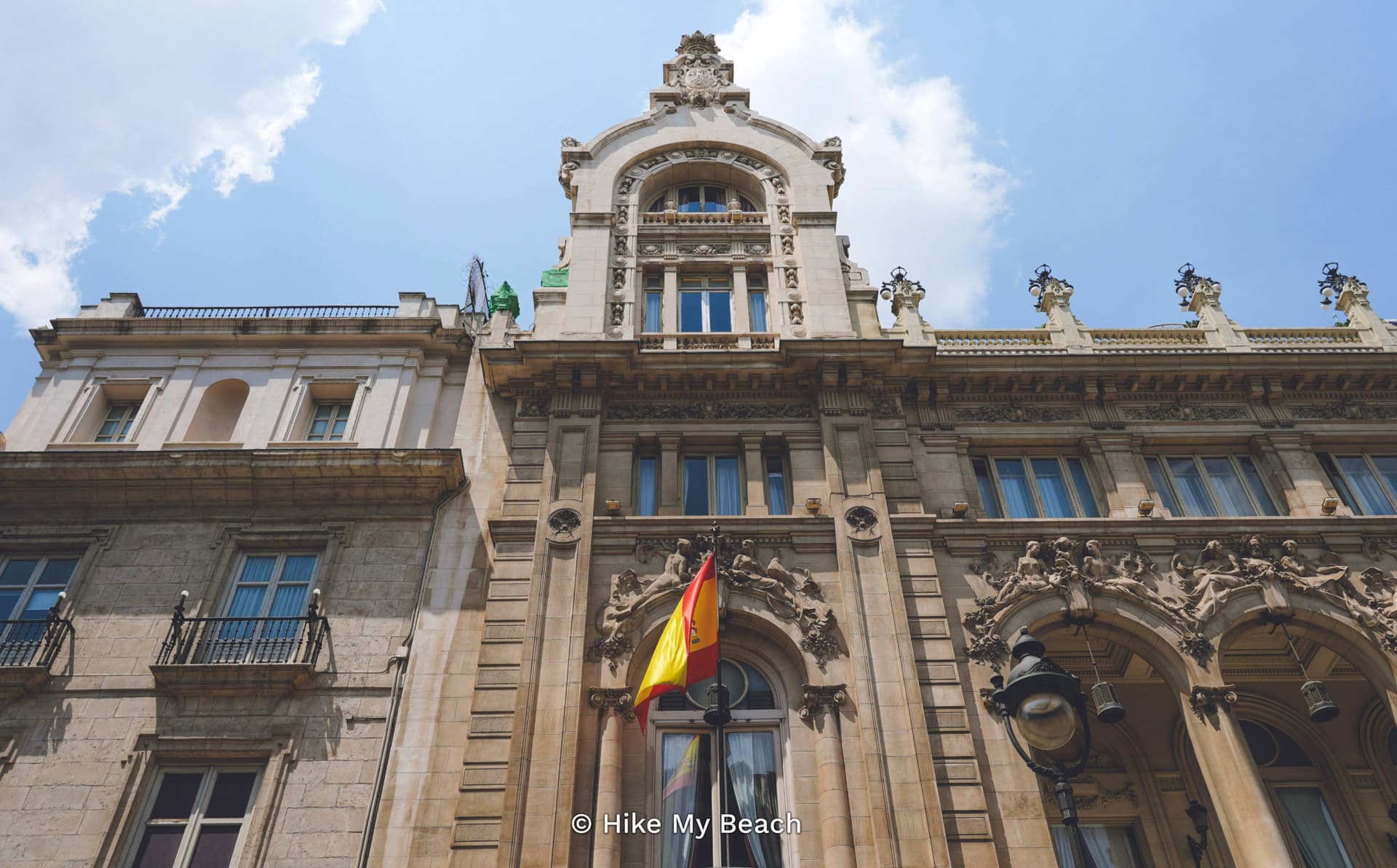


We spent 3 days in Madrid expecting a quick stopover before heading south, and left completely fascinated by a city that somehow manages to feel ancient and brand new in the same afternoon. If you're searching for what to do in Madrid for 3 days, or just wondering whether three days is enough to actually get a feel for the city, short answer: yes, and this 3 days in Madrid itinerary is exactly how we'd do it again.
Key takeaways:
- Highest capital in Europe: Madrid sits 667 meters (2,188 ft) above sea level, higher than any other capital city on the continent.
- Population: around 3.4 million in the city proper, roughly 6.8 million across the metro area.
- Founded as a 9th-century Moorish fortress called Mayrit, built to guard the road to Toledo.
- Became Spain's capital in 1561, under King Philip II—chosen mainly because it sat near the geographic center of the country.
- 11.19 million visitors came to Madrid in 2024 alone, generating over €25 billion in tourist spending.
A (Very) Short History of Madrid
If you’re not sure what to see in Madrid in 3 days, Madrid's backstory is more interesting than most people expect. It didn't start as a grand capital. It started as a glorified checkpoint. In the 9th century, Moorish rulers built a small fortress called Mayrit here for one job: to protect the road to Toledo, which was the region's actual power center at the time.
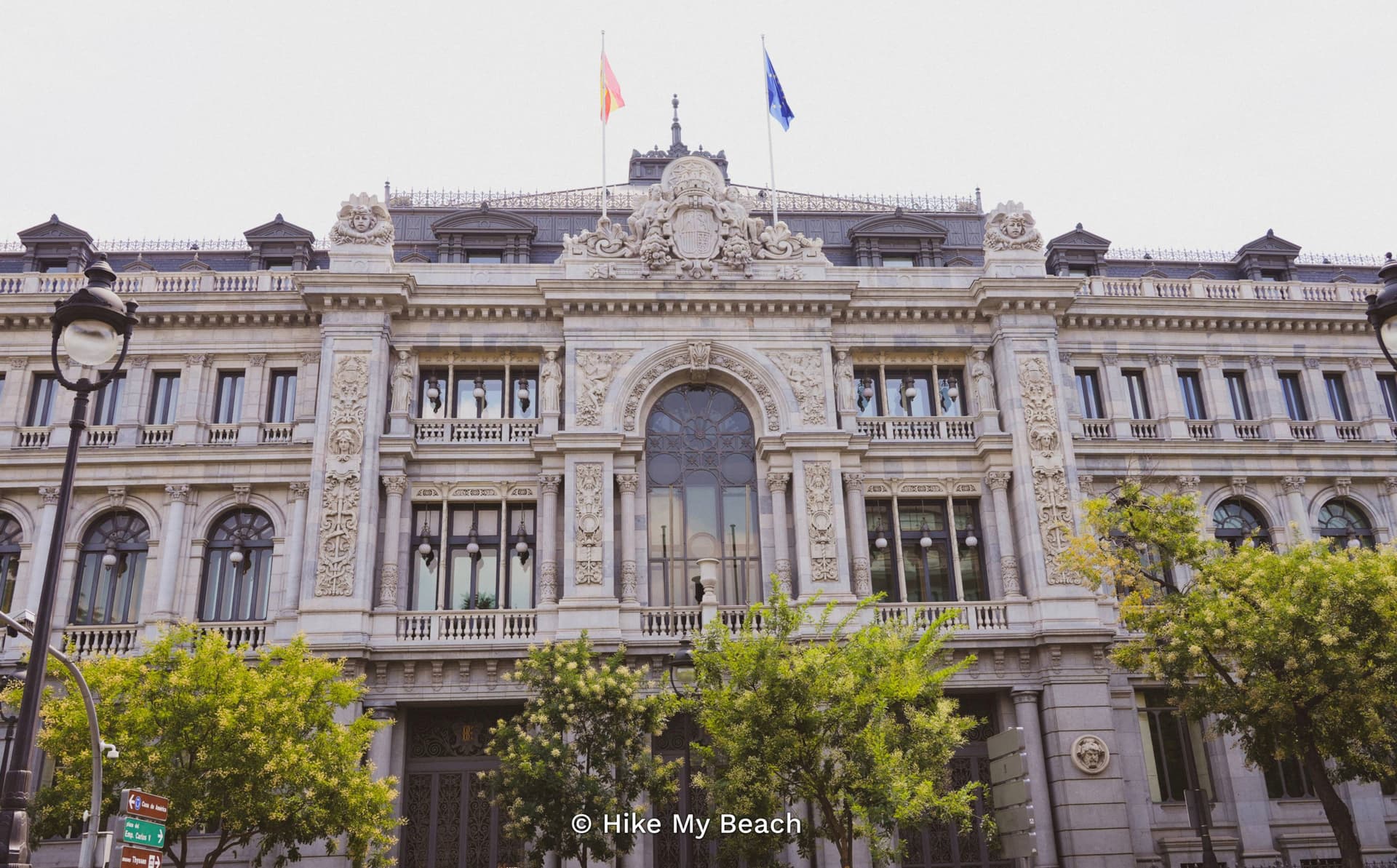
Christian forces captured it in 1085, and for the next few centuries Madrid stayed a relatively minor town while Toledo and other cities took turns being Spain's capital. That changed in 1561, when King Philip II moved the royal court to Madrid—not because of its beauty or history, but largely because it sat near the geographic middle of the country. It's one of history's more unromantic reasons for a city to become world-famous, and honestly, it makes Madrid a little more relatable.
Everything you'll walk past during 3 days in Madrid Spain—Plaza Mayor, the Royal Palace, Gran Vía—was built after that decision, in Madrid's ongoing effort to look like it was always meant to be in charge.
Day 1: Royal Madrid
If you're mapping out what to visit in Madrid in 3 days, start where the city's identity as a capital actually begins.
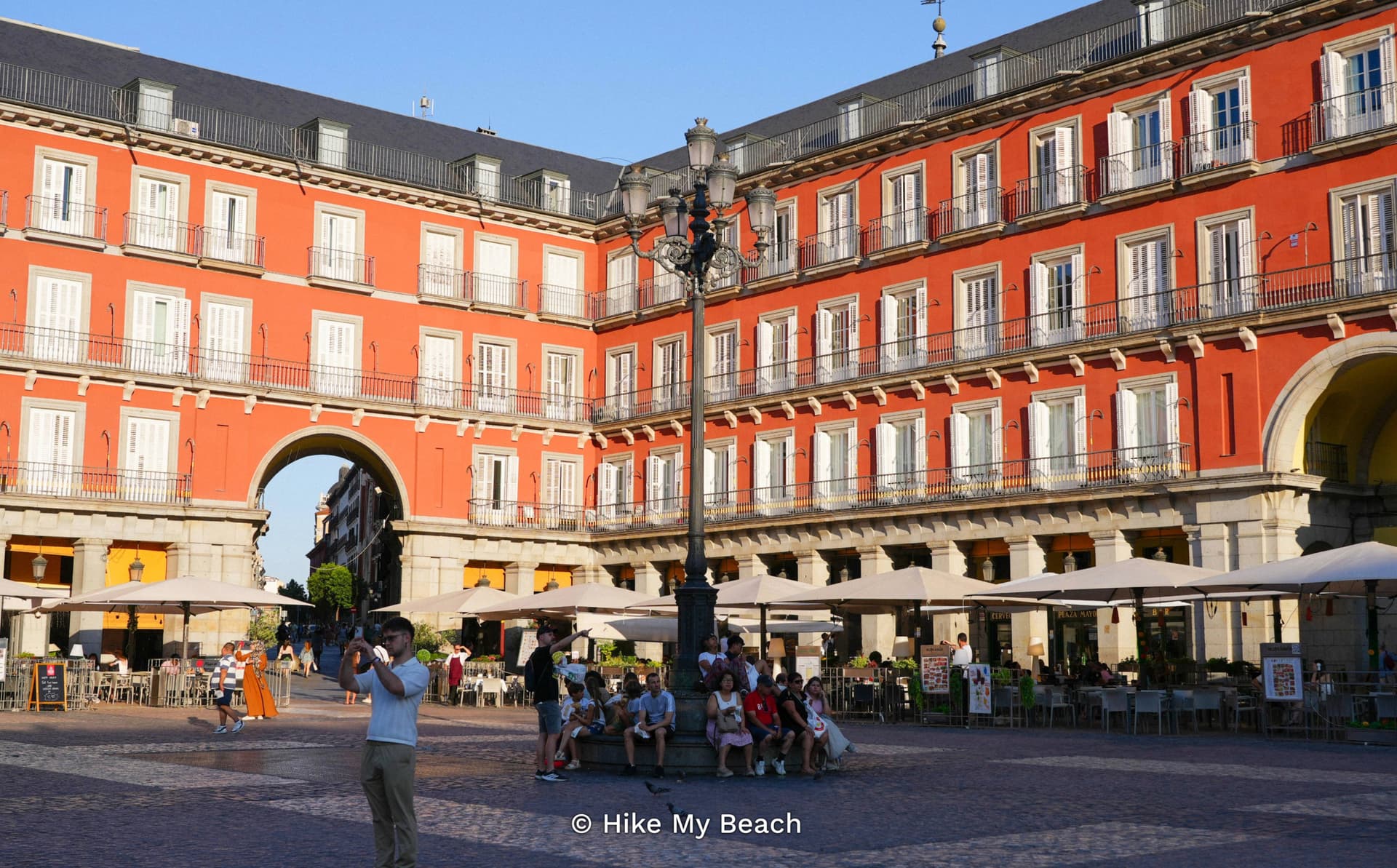
Plaza Mayor
The natural first stop: a grand, arcaded square built starting in 1617, roughly 129 by 94 meters. It's been rebuilt after fires three separate times, which somehow feels very on-brand for a city that keeps confidently replacing its own past. Grab a coffee at one of the arcade cafés and just watch the square work: street performers, tourists, locals cutting through on their way somewhere else, all sharing the same stone.
Royal Palace (Palacio Real)
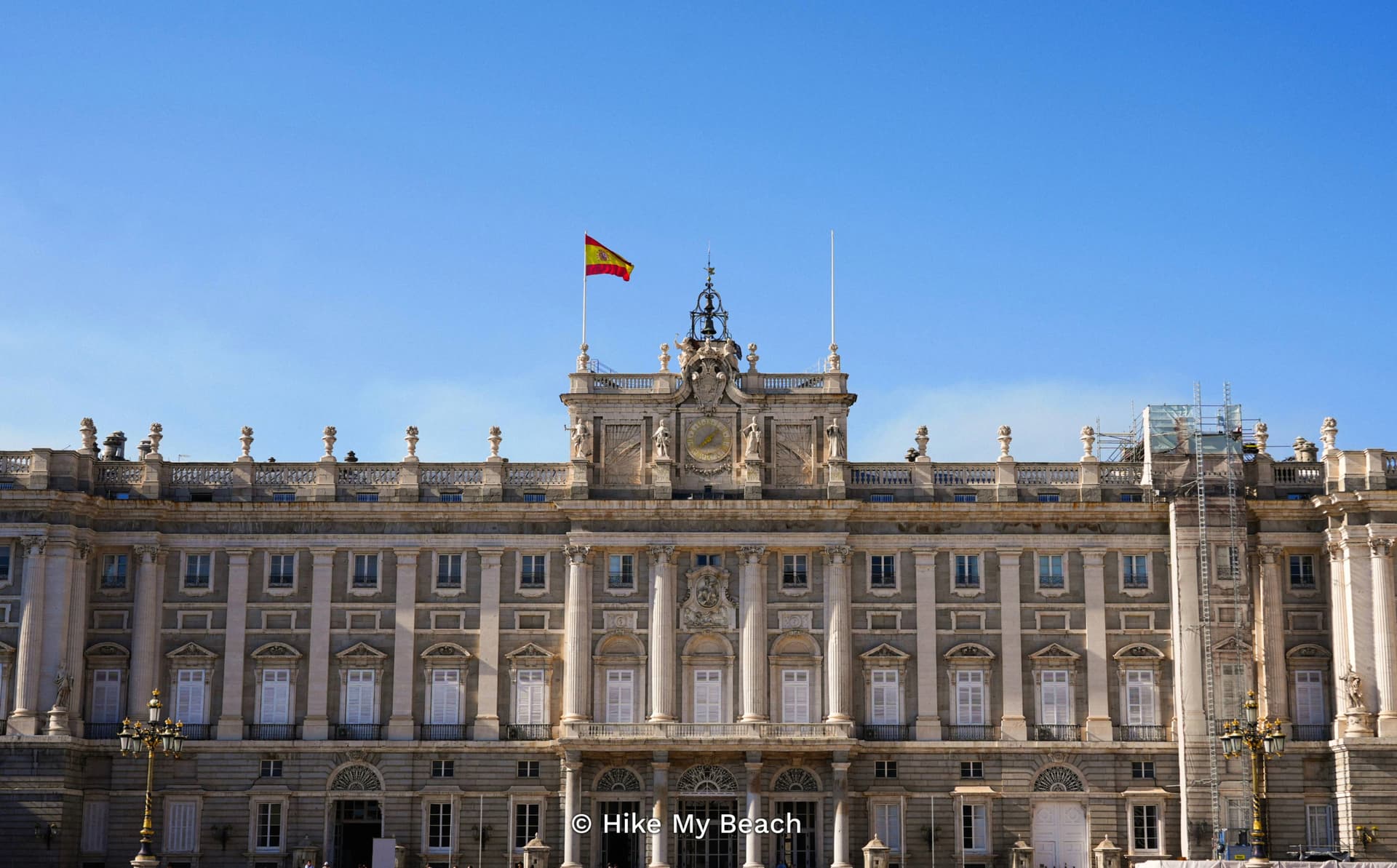
From Plaza Mayor, it's a short walk to the largest palace in Europe by floor area—3,418 rooms across 35,000 square meters, more than Versailles. Even if the royal family barely uses it today (they live elsewhere and only use it for state ceremonies), it's worth the visit just for the scale. The armory and the throne room alone are worth the ticket; budget at least two hours if you want to see the interior properly, not just the courtyard.
Almudena Cathedral
Right next to the palace sits Madrid's cathedral—and unlike almost everything else on this list, it's barely older than some of the people reading this. Construction started in 1883 and dragged on for over a century, interrupted by funding problems and the Spanish Civil War, until it was finally consecrated by Pope John Paul II in 1993. That makes it one of the newest cathedrals in Europe, and the first one consecrated outside Rome by a sitting Pope. Its neoclassical, palace-facing façade was deliberately designed to match the Royal Palace across the street, which is a very Madrid instinct: even the cathedral had to coordinate with the monarchy's aesthetic.
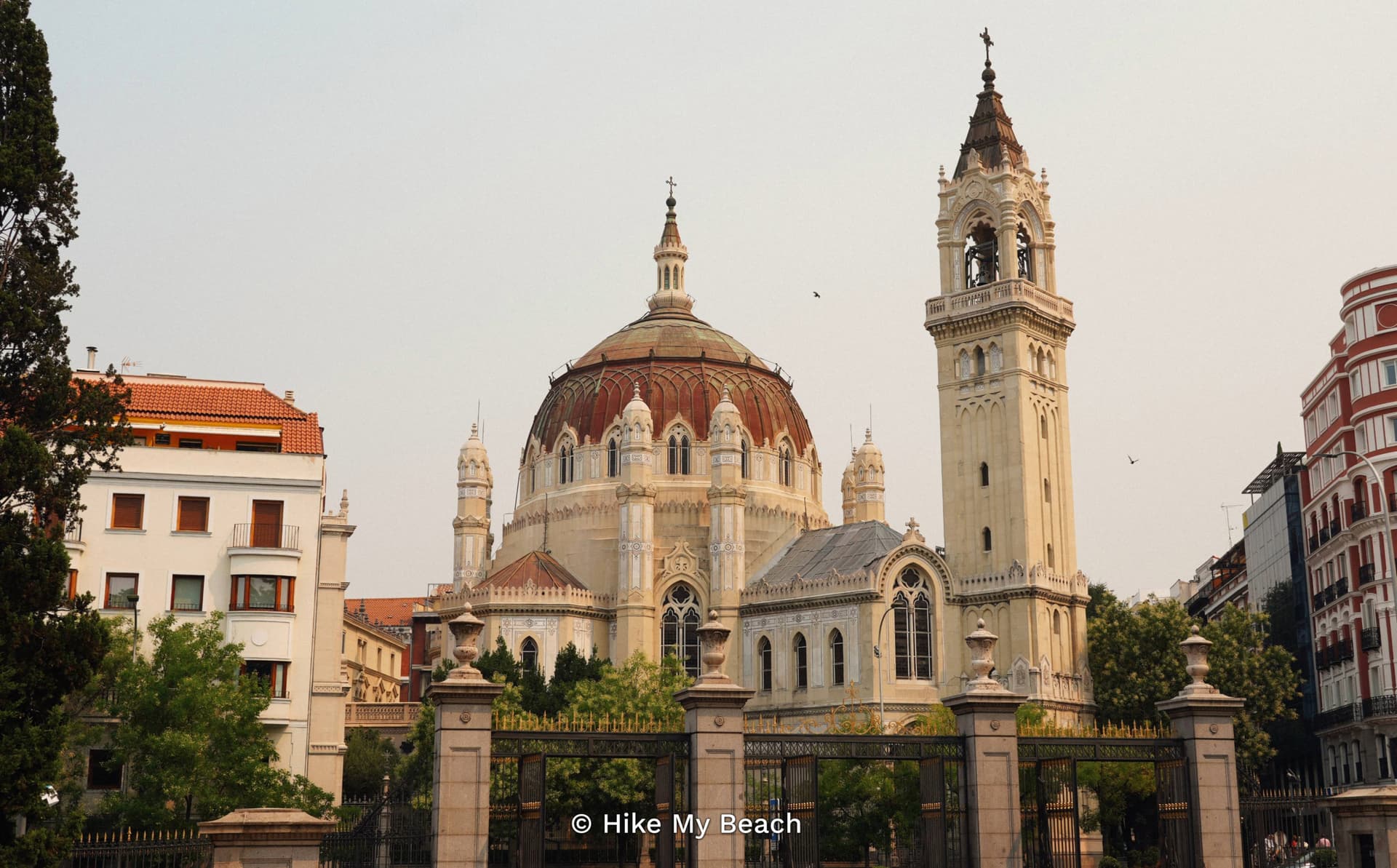
Cathedral Church of the Armed Forces
A short walk into the La Latina neighborhood, on Calle Sacramento, is one of Madrid's most overlooked churches: the Iglesia Catedral Castrense, the cathedral of Spain's Military Ordinariate. It began as the church of a convent founded in 1615, but construction of the current building did not start until 1671 and dragged on until 1744, so it shares that very Madrid habit of taking a century or more to finish anything.
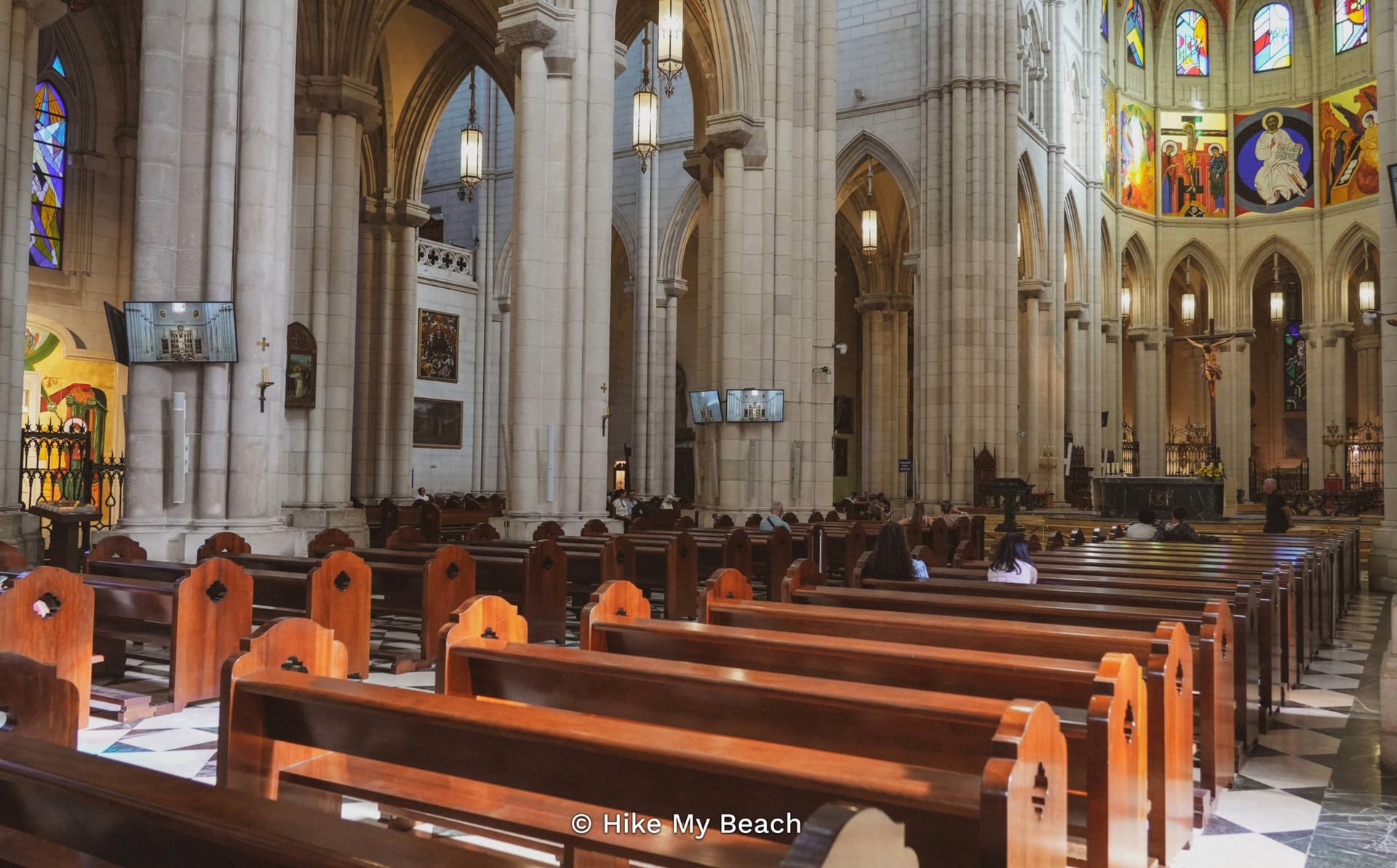
The convent around it was demolished in 1972, the Ministry of Defense bought the church in the early 1980s, and it was declared a National Artistic Monument in 1982 for its Baroque interior. It's free to enter, rarely crowded, and a good five-minute detour if you want a break from the Royal Palace lines.
Day 2: Art, Green Space, and the Golden Triangle
Madrid's museum scene is genuinely one of the best in the world, and if you're figuring out Madrid what to see in 3 days, day two is where you slow down and let the art do the work.
Museums of Madrid
The Prado is Spain's national gallery and one of the great museums on earth, with Velázquez, Goya, Bosch, and El Greco under one roof; it drew a record 3.5 million visitors in 2025, so book ahead if you want to see Las Meninas without a wall of phones around it.
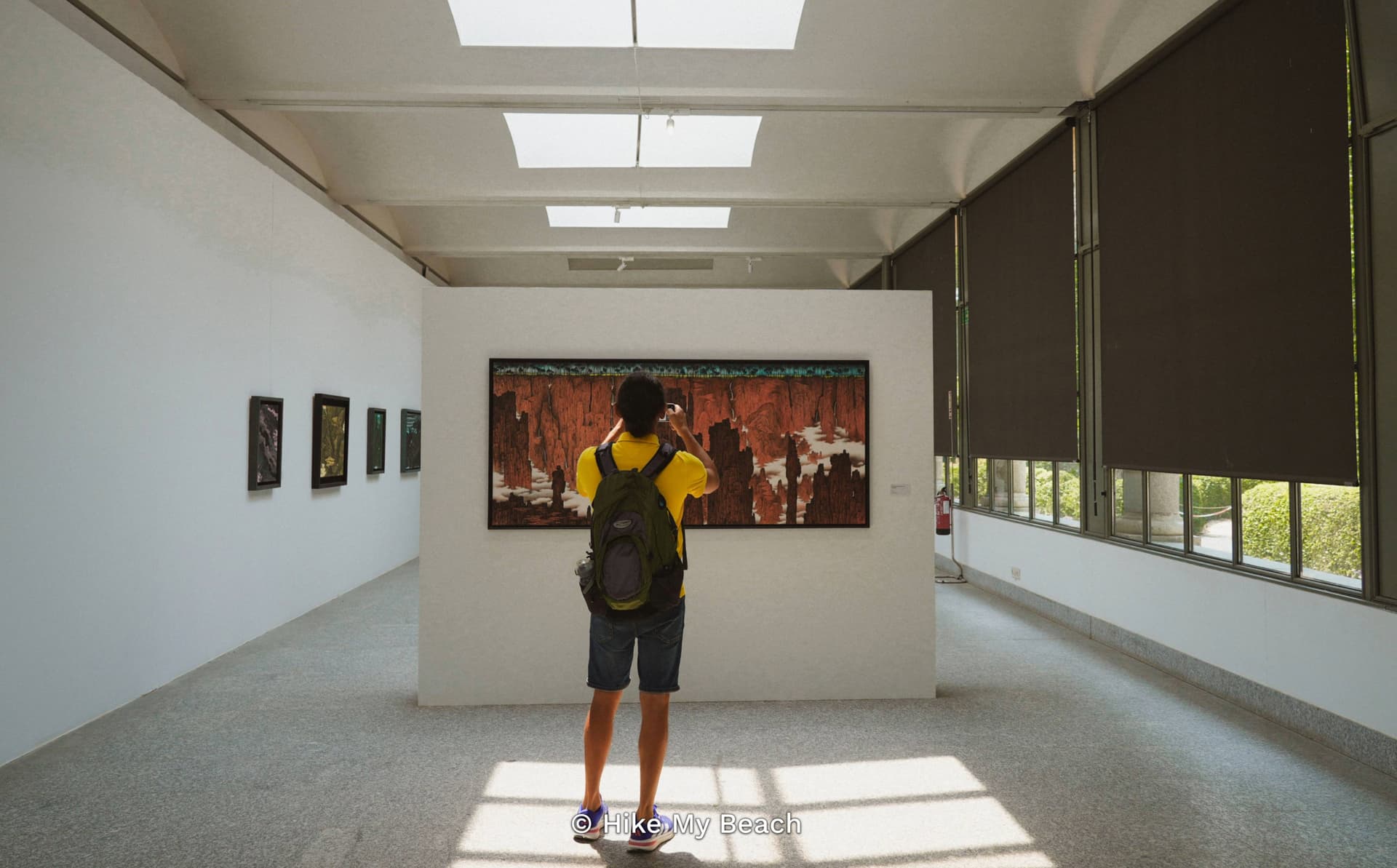
Across the boulevard, the Thyssen-Bornemisza fills the gaps with over 1,600 paintings spanning Impressionism through 20th-century American art, once the second-largest private collection in the world.
Down at the Reina Sofía, the draw is Picasso's Guernica, an enormous canvas painted in 35 days in 1937 that spent decades exiled at MoMA before Spain got it back in 1981. Give the Prado at least half a day if you go in; the other two work well as an hour or two each.
Retiro Park
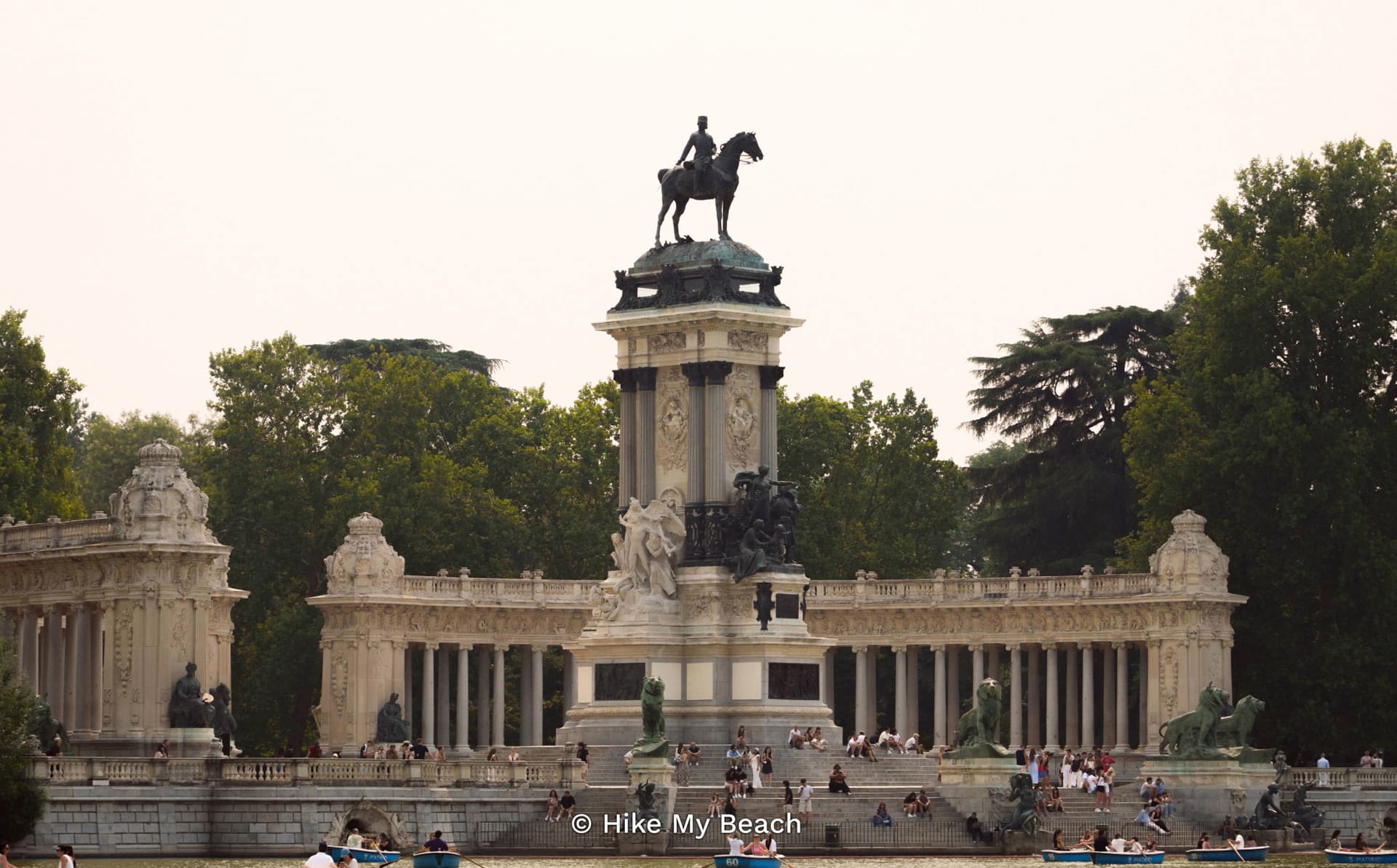
After a full morning of museums, cross into Retiro—125 hectares of former royal gardens that opened to the public in 1868 and became a UNESCO World Heritage Site (alongside the Paseo del Prado) in 2021. Rent a rowboat on the lake, walk to the Crystal Palace, or just find a bench and let the city slow down for an hour. After three straight museums, this is where the day actually starts to feel like a vacation again.
Palacio de Cibeles
Round out Day 2 at the plaza that anchors the whole Paseo del Prado area: the Palacio de Cibeles, sitting right where the boulevard meets Calle de Alcalá. It was built between 1907 and 1919 as the headquarters of Spain's National Postal Service, on what used to be the pleasure gardens of the old Buen Retiro Palace, and the design alone is worth the stop: an elaborate, almost wedding-cake facade that looks more like a cathedral than a post office.
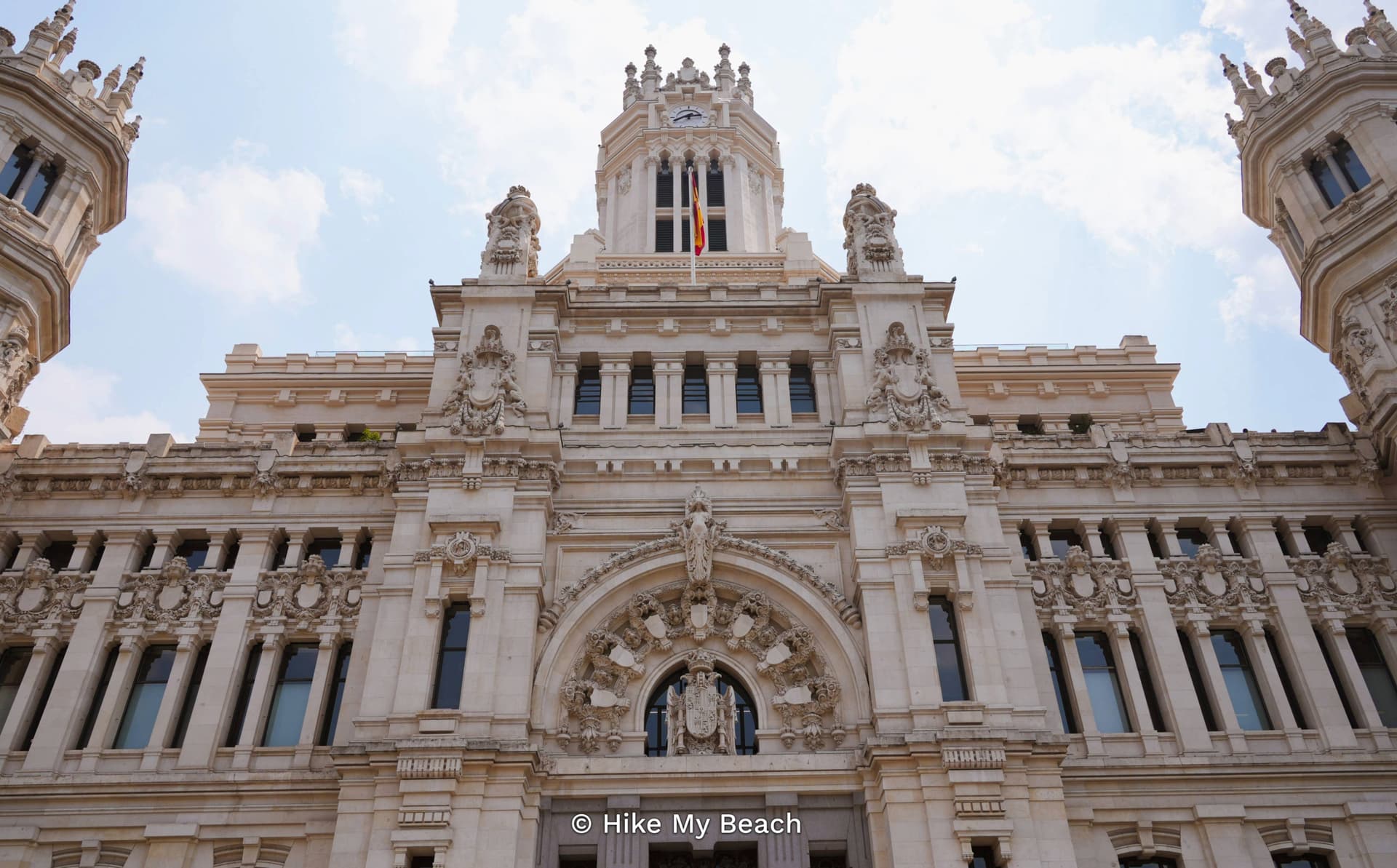
Since 2011 it's served as Madrid's city hall and a free public cultural center called CentroCentro, and for a small fee you can ride the elevator up to the eighth-floor Mirador for one of the best panoramic views in the city.
Day 3: Gran Vía, Local Food, and Sunset at the Temple
Your last day is for modern Madrid and the food scene that makes people fall in love with this city, and it's usually the day that answers what to do in Madrid Spain for 3 days better than any guidebook.
Gran Vía
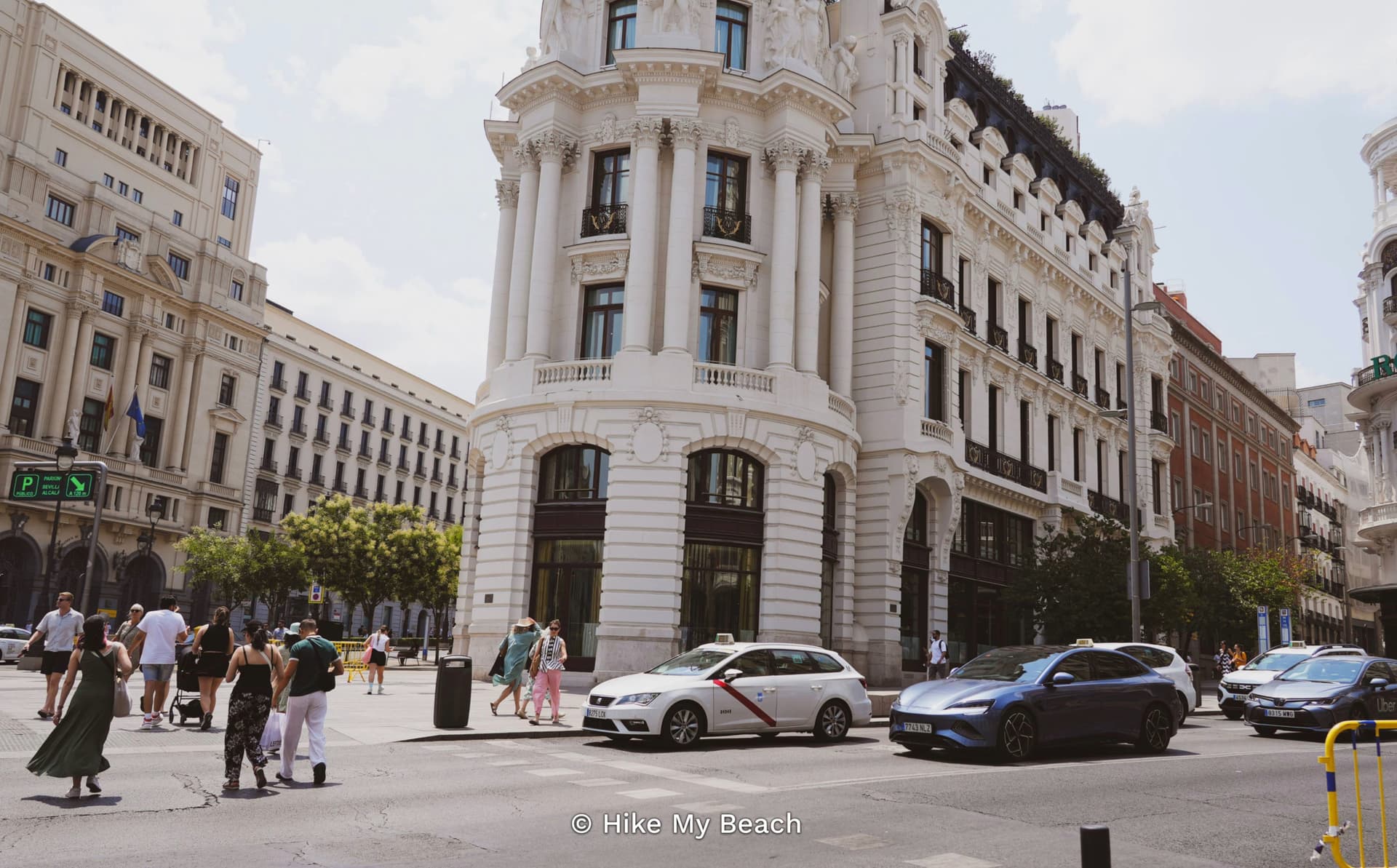
Madrid's answer to Times Square or Fifth Avenue: over 10 million people walk this street every year, and the architecture is doing its absolute most the entire way down. It was built between 1910 and 1929, and the construction meant demolishing more than 300 buildings and 50 streets on purpose, just to cut this one straight line through the old medieval layout. Walk it slowly and look up; the domes, towers, and neon signage are half the reason people photograph this street more than almost any other in Spain.
Mercado de San Miguel
For lunch (or really, any meal), head to this beautifully restored 1916 ironwork market, which now pulls in more than 7 million visitors a year, more than some entire countries get in tourism. It's less a place to sit down for one meal and more a place to graze: a plate of jamón at one stall, a glass of vermouth at the next, oysters if you're feeling it. Madrid has something like 13,000 bars and restaurants citywide, so this is really just the highlight reel. Don't be afraid to wander into a random tapas bar in a side street after. Some of our best meals happened that way.
Temple of Debod
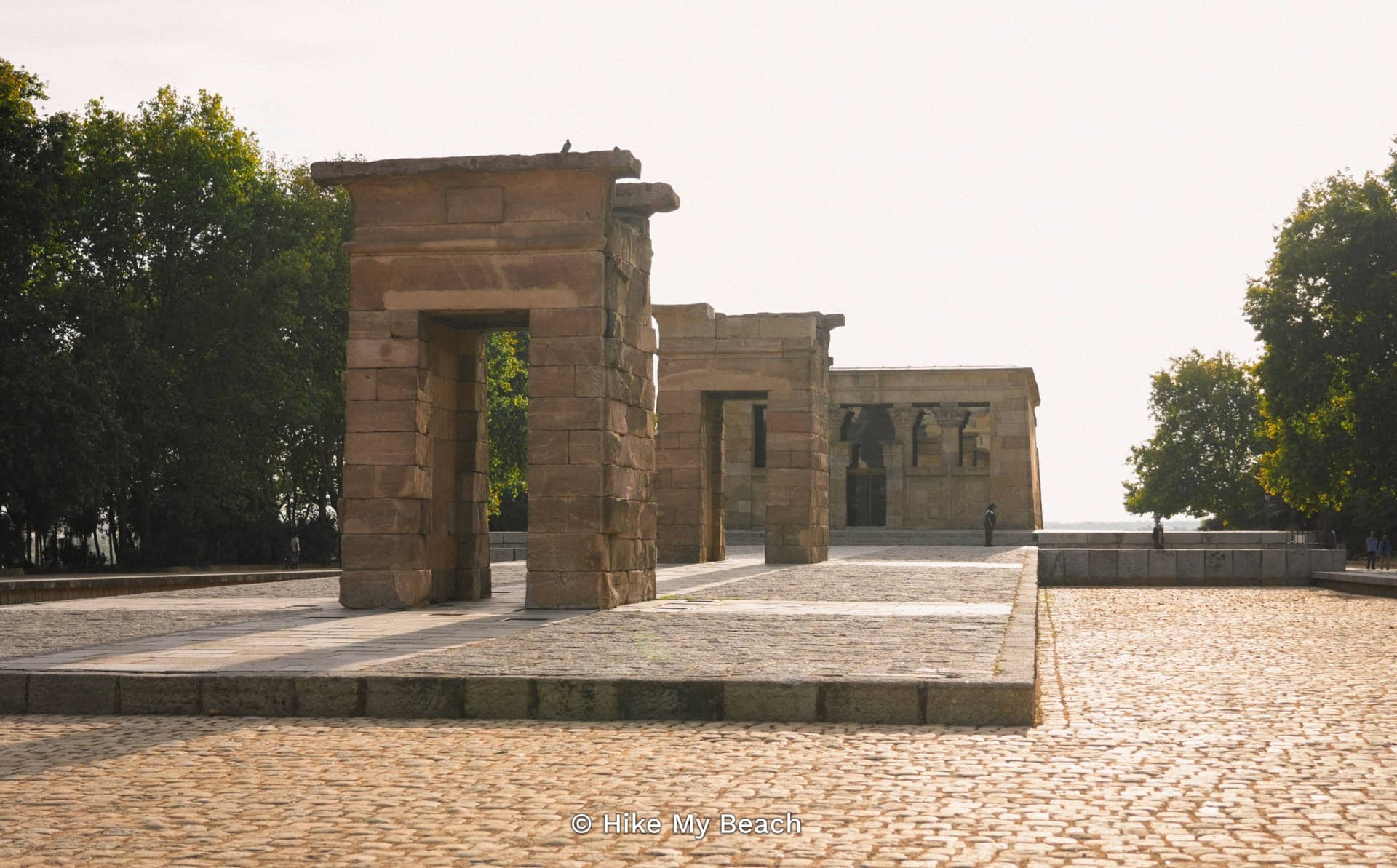
End your three days the way we did: at an actual 2,200-year-old Egyptian temple, gifted to Spain by Egypt in the 1960s and rebuilt stone by stone in a Madrid park. It's one of the only pieces of ancient Egyptian architecture you can see outside Egypt, and the only one of its kind in Spain. Catch it at sunset. It's one of the strangest, most quietly beautiful views in the city, and a genuinely fitting way to close out a trip through a city that keeps collecting things it wasn't supposed to have.
Best Food to Try in Madrid
We ate a lot over three days, proof that you can eat cheaply in Europe, and these are the dishes and spots we'd go straight back for.
Bocadillo de Calamares at La Campana
This tiny bar on Calle de las Botoneras, just steps from Plaza Mayor, has been serving Madrid's most famous squid sandwich since 1997, in a building that's operated as a bar since 1890.
The recipe is simple: fresh squid rings, fried crisp, stuffed into a plain white roll, nothing else needed. It sounds humble until you learn the bar goes through more than 8,000 kilograms of squid a month, which tells you something about how many locals consider this a lunch staple rather than a tourist stop. Order it with a cold beer, eat it standing at the counter with everyone else, and expect to pay only a few euros for the whole thing.
Churros con Chocolate at Chocolatería 1902
Tucked between the Royal Palace and Sol metro station on Calle de San Martín, this spot bills itself as the oldest family-run chocolate and churro house in Spain. The churros come out hot, thin, and genuinely crisp rather than greasy, which is not a given in this city, and they're meant for dunking into a cup of chocolate thick enough to coat the spoon.
It's a popular enough stop that lines form around midday, so go right when it opens or later in the evening if you want a table without the wait. Gluten-free and vegan versions are on the menu too, if that's a concern for your group.
Pizza by the Slice at Papizza
Not the first thing you'd expect to crave in Madrid, but this local chain has become a genuine institution for a quick, cheap bite between sightseeing stops. Pick from around nineteen flavors, from classic margherita to Ibérica ham to a truffle-oil pesto, and they'll reheat your slice on the spot.
There's no seating at most locations, so you eat standing, the way most regulars do, and a couple of slices plus a drink usually comes to around eight euros. Keep an eye out for happy hour, when slices can drop to as little as one euro each.
Tapas at Mercado de San Miguel
Worth a second mention beyond Day 3: this is less a sit-down meal and more a grazing route through a dozen stalls under one glass-and-iron roof.
Order a plate of jamón ibérico at one counter, a few croquetas at the next, a glass of vermouth or a plate of fresh oysters after that, and keep moving until you've built your own tasting menu. Portions are small, and prices add up if you're not careful, but that's also the point: you get to sample far more of Madrid's food culture in an hour here than you would at any single restaurant.
Sangria Anywhere in the City
Nearly every terrace in the city pours a decent pitcher, so this isn't really about finding the one perfect bar. It's about the ritual: red wine and chopped fruit, served in a jug big enough for two, ideally on an outdoor terrace as the evening cools down.
If you want a lighter, less sweet alternative, ask for tinto de verano instead, which is what a lot of locals actually order. Either way, drinking it outside after a long day of walking is most of the reason to come back.
Practical Tips for Visiting Madrid
There are a few things we wish we'd known before we landed:
- Best time to visit: spring (April–May) and fall (September–October). Madrid's summers regularly hit 35–40°C (95–104°F) thanks to that high-altitude, continental climate—beautiful, but intense.
- Getting around: Madrid's metro is fast, cheap, and covers the whole city—you likely won't need a car for a 3-day trip.
- Day trip option: if you have a fourth day, Toledo is only about 30 minutes away by high-speed train and is a completely different and much older side of Spain's history.
Final Thoughts
We went in expecting Madrid to be a pleasant capital city and came out fascinated by how deliberately it built its own importance—a fortress town that talked its way into becoming one of Europe's great capitals, then kept reinventing itself every century since. Three days was enough to fall for it. It was not enough to see all of it, which, honestly, might be the point.
If this got you thinking about a longer Spanish trip, our Tenerife travel guide covers another one of our favorite corners of the country, this time with volcanoes and ocean instead of museums and grid streets.
Frequently asked questions
You may also like
You may also like


get news & updates
get news & updates
Subscribe to our newsletter for inspiration, advice, updates, and news. Don’t worry – we won’t bother you too often.